
Introduction
Asbestlint, a term that strikes fear in the hearts of homeowners and construction workers alike, is often lurking unnoticed in older buildings. This naturally occurring mineral fiber has been widely used for its strength and resistance to heat, but its presence can pose significant health risks if not properly managed. With increasing awareness about asbestos-related dangers, understanding how to identify and handle Asbestlint is crucial. Dive into this guide as we explore the history of Asbestlint, potential hazards it presents, and essential tips for safeguarding yourself and your property from these hidden dangers. Stay informed, your health may depend on it!
Understanding Asbestlint: History and Significance
Asbestlint, a term derived from asbestos-laden materials, has a long history rooted in industrial use. First discovered in the 19th century, asbestos became popular for its fireproofing qualities and durability. It was widely used in construction, insulation, and various other products.
However, as awareness of health risks grew over decades, the significance of understanding asbestlint emerged. Numerous studies linked exposure to serious conditions like lung cancer and mesothelioma. This led to stringent regulations banning many forms of asbestos usage.
Today, recognizing asbestlint is crucial not just for safety but also for preserving public health. The legacy of its use continues to impact communities around the world.
Health and Safety Concerns Associated with Asbestlint
Asbestlint poses significant health risks, primarily due to its fibrous nature. When disturbed, these fibers can become airborne and inhaled, leading to serious respiratory issues. Common diseases linked to asbestos exposure include asbestosis, lung cancer, and mesothelioma.
The dangers are particularly heightened for workers in construction or demolition environments where asbestlint may be present. Even brief exposure can lead to long-term health complications that may not manifest until years later.
Proper precautions must always be taken when dealing with any material suspected of containing asbestlint. Awareness and vigilance are crucial in protecting oneself from the hidden threats posed by this hazardous substance.
Identifying Asbestos Risks in Different Types of Materials
Asbestlint can be hidden in various materials commonly found in older buildings. When inspecting walls, ceilings, and flooring, it’s essential to stay vigilant. Materials like popcorn ceilings or vinyl floor tiles may contain asbestos fibers.
Insulation products are another area of concern. If your home has any insulation added before the 1980s, it might include asbestlint. Be cautious during renovations; disturbing these materials can release harmful fibers into the air.
Cement-based products also pose risks. Asbestos was frequently mixed with cement for durability in roofing and siding materials. If you’re unsure about a material’s safety, seeking professional testing is always wise before proceeding with any work.
How Asbestlint Conditions Develop
Asbestlint conditions develop when asbestos-containing materials deteriorate. Over time, exposure to moisture, temperature fluctuations, and physical damage can weaken these materials. This degradation releases fine asbestos fibers into the air.
Once airborne, these tiny particles can be inhaled or ingested by individuals nearby. The risk is particularly high in older buildings where asbestlint was commonly used in insulation and construction materials.
Routine wear and tear can exacerbate the situation further. Renovations without proper precautions might disturb hidden asbestos sources, significantly increasing health risks for workers and residents alike. Awareness of these factors is essential for effective management of asbestlint hazards.
Areas Where Asbestlint Conditions May Be More Likely
Certain areas in homes and buildings are more prone to asbestlint conditions. Older structures, particularly those built before the 1980s, often contain materials that may harbor asbestos. This includes insulation, ceiling tiles, and floor coverings.
Renovation projects increase the risk too. Disturbing old materials can release harmful fibers into the air. Areas like attics and basements are common hotspots for hidden asbestlint due to their age and lack of exposure.
Commercial properties such as schools and warehouses also require attention. These buildings sometimes used asbestos-containing products during construction or renovations. Regular inspections in these locations are essential for safety.
Risks and Regulations Surrounding Asbestlint
Asbestlint poses significant health risks, making understanding its regulations crucial. Exposure to asbestos fibers can lead to serious diseases like asbestosis and mesothelioma. This threat has prompted governments worldwide to implement strict guidelines for handling and managing materials that contain it.
Regulations vary by country but generally require licensed professionals for removal or repair of asbestos-containing materials. Homeowners must also be aware of local laws regarding the renovation or demolition of properties with possible asbestos risk.
Failing to comply with these regulations not only endangers health but may also result in hefty fines or legal action. Awareness is key when dealing with asbestlint in any environment.
Proper Handling and Disposal of Asbestlint
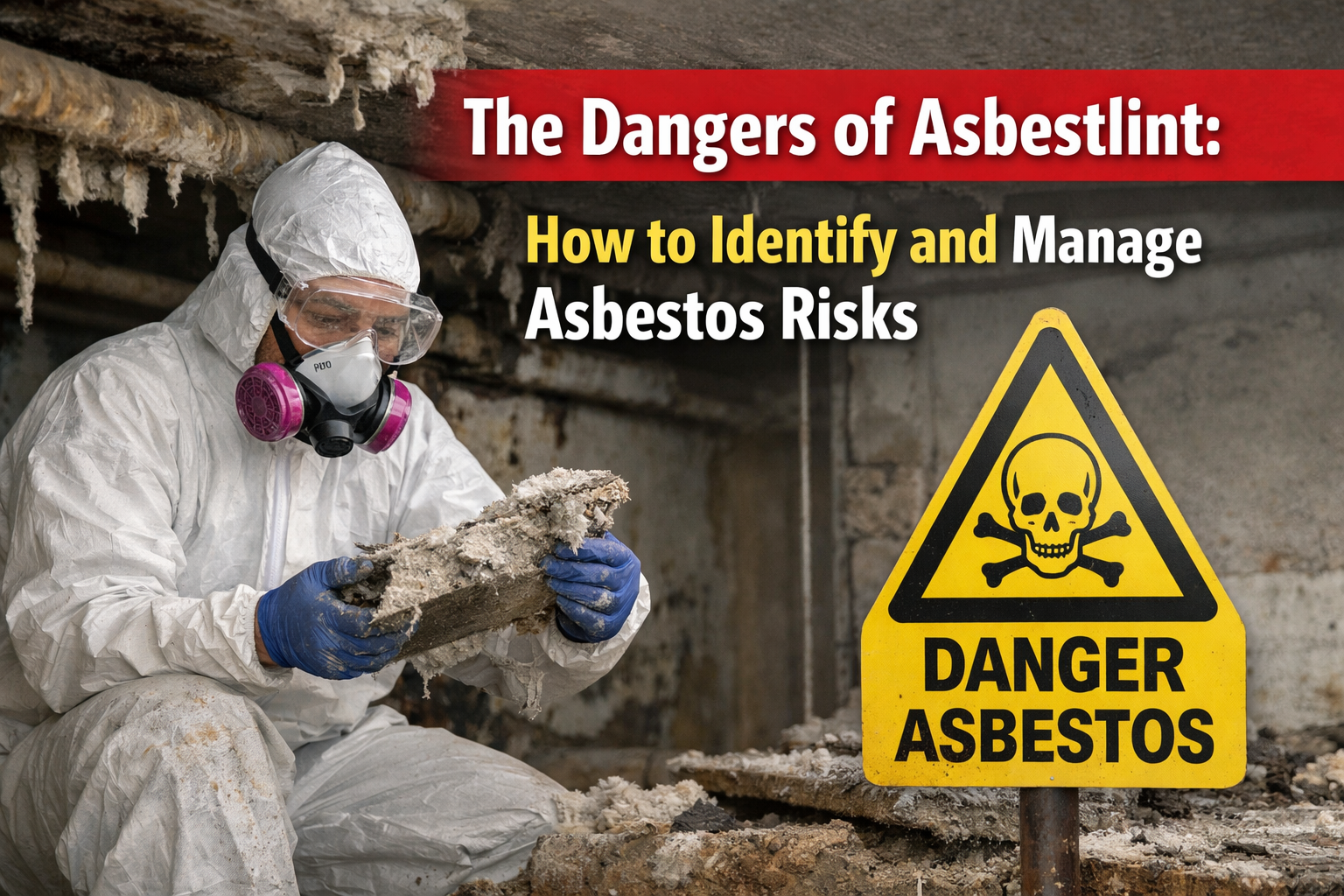
Proper handling of asbestlint is crucial to minimize health risks. Always wear appropriate personal protective equipment, such as respirators and gloves. This reduces the chances of inhaling harmful fibers during any interaction with asbestos materials.
When it comes to disposal, follow local regulations meticulously. Asbestos waste should be double-bagged in thick plastic and clearly labeled. Securely seal the bags to prevent any leaks or exposure.
Transporting asbestlint requires caution; use designated containers for hazardous materials. Ensure that only certified professionals handle removal and disposal when necessary. This protects not just you but also those around you from potential asbestos-related dangers.
Managing Asbestos Risks in Residential Properties
Managing asbestos risks in residential properties starts with thorough inspections. Homeowners should engage certified professionals to assess their spaces for any signs of asbestlint. These experts can identify potential hazards and recommend appropriate actions.
If asbestos is found, it’s crucial not to disturb the material. Disturbance can release harmful fibers into the air, posing serious health risks. Proper sealing or encapsulation may be necessary to contain any dangers.
For older homes, regular maintenance checks are essential. Keeping an eye on deteriorating materials helps prevent exposure before it becomes a significant issue. Educating residents about safe practices further enhances safety efforts within the home environment.
Conclusion
Asbestlint poses significant risks to health and safety, making awareness essential. Understanding its history and significance allows us to appreciate the gravity of this issue. Identifying asbestos in materials can help prevent exposure, especially in older structures where it may be present.
The conditions leading to asbestlint can develop quietly over time, often unnoticed until it’s too late. Certain areas are more prone to these issues, increasing the likelihood of encountering asbestos-related dangers.
Regulations exist for a reason—to protect those who might come into contact with asbestlint. Proper handling and disposal practices are crucial for minimizing risk. Homeowners must remain vigilant in managing potential asbestos threats within their properties.
By staying informed and proactive, we can effectively mitigate the dangers associated with asbestlint and safeguard our health for years to come.