
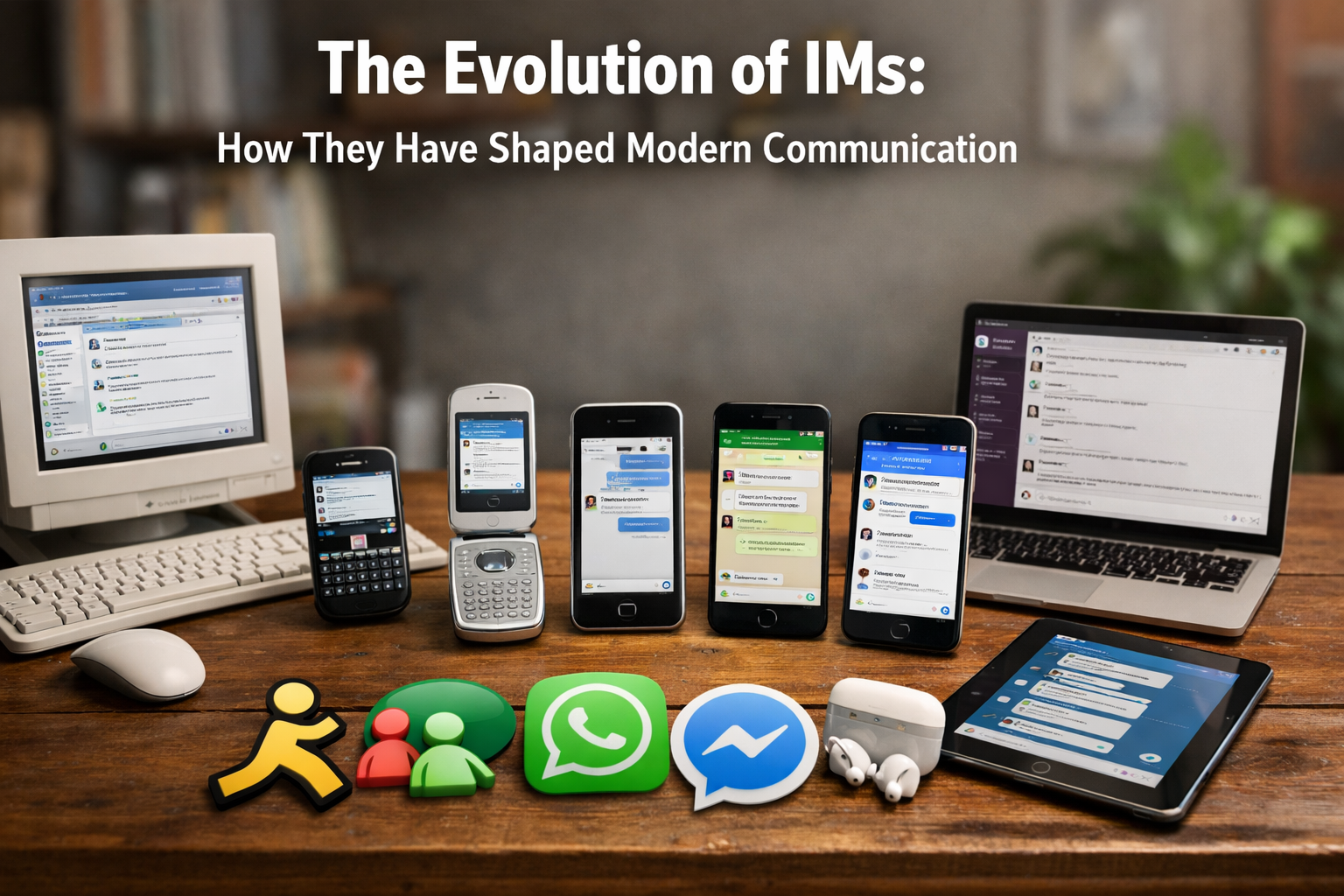
The digital landscape is constantly evolving, and one of the most fascinating developments in modern communication is the rise of i̇ns. These tiny symbols have transformed how we convey emotions, ideas, and identities across various platforms. From social media to messaging apps, i̇ns have become essential tools for expression and connection. But what exactly are they? How did they come to hold such significance in our everyday interactions? Join us as we delve into the captivating journey of i̇ns uncovering their roots, cultural impact, and future potential in shaping our digital conversations.
Defining i̇ns
i̇ns are more than just simple characters; they represent a form of visual language that transcends text. Often used to convey emotions or ideas succinctly, i̇ns have become integral in our digital interactions.
These symbols can take various forms, from emojis and emoticons to shorthand expressions. Their versatility allows users to communicate feelings instantly without lengthy explanations. In a fast-paced world where brevity is key, i̇ns serve as the perfect solution for enriching dialogue while keeping it concise and engaging.
Etymology and Linguistic Roots
The term “i̇ns” has fascinating linguistic roots that can be traced back to ancient languages. It derives from the Latin word “inscriptio,” meaning inscription or written character, emphasizing its connection to language and communication.
Over time, it evolved through various cultural contexts, adapting as societies changed. This evolution reflects how language shapes our perception of identity and interaction in a digital age where brevity reigns supreme. The origins of i̇ns reveal much about our relationship with technology and self-expression today.
i̇ns in Social Media Culture
i̇ns have become a fundamental aspect of social media culture, transforming the way we communicate online. They serve as quick expressions of emotions, thoughts, or reactions in an increasingly fast-paced digital landscape. Their concise nature fits seamlessly into platforms like Twitter and Instagram.
As users curate their identities through i̇ns, they create personal brands that resonate with followers. This visual language fosters connections among diverse audiences while also encouraging creativity. i̇ns can amplify messages and contribute to viral trends that shape conversations across various communities, redefining how we share experiences digitally.
Value Proposition & Strengths
i̇ns offer a unique value proposition in the digital landscape. They serve as concise, impactful symbols that can convey complex emotions or ideas instantly. This efficiency makes them ideal for fast-paced communication, especially on social media platforms.
Their strengths lie in their ability to enhance engagement and foster connection among users. i̇ns create a sense of belonging and community by serving as shared cultural references. Their visual appeal also makes content more relatable, increasing the likelihood of interaction and sharing across various networks.
Challenges & Risks
The rise of i̇ns brings with it significant challenges and risks. Misinterpretation can lead to confusion, as the brevity of this form often sacrifices nuance. Context may be lost, resulting in misunderstandings among users.
Moreover, over-reliance on i̇ns might dilute meaningful conversation. As individuals prioritize quick exchanges over depth, important topics could slip through unnoticed. The potential for misinformation also looms large, complicating how we discern truth amid a sea of digital noise. Balancing efficiency with authenticity is increasingly crucial in this evolving landscape.
Cultural and Linguistic Dimensions
i̇ns carry rich cultural meanings that transcend language barriers. They encapsulate shared experiences and emotions, making them powerful tools for connection in diverse communities. By using i̇ns, people bridge gaps between cultures and foster understanding.
Linguistically, i̇ns adapt to various languages and dialects, evolving with each new context. This adaptability enriches digital communication while promoting inclusivity. As users incorporate local nuances into their i̇ns usage, they contribute to a dynamic landscape where language meets culture in innovative ways.
i̇ns as Digital Identity Markers
i̇ns serve as digital identity markers, reflecting personal branding and social presence in the online world. They encapsulate who we are, often revealing our interests, values, and lifestyle choices through curated content.
As users engage with i̇ns across platforms, they shape their public personas. From aesthetic choices to thematic consistency, these elements allow individuals to connect with like-minded communities. Consequently, i̇ns become a form of self-expression that transcends mere communication—a way to share narratives and forge connections in an increasingly digital landscape.
Why i̇ns Appeals
i̇ns capture attention in a unique way. Their brevity and visual appeal make them instantly digestible, which resonates with our fast-paced digital lives. People are drawn to i̇ns because they offer an efficient means of communication, allowing individuals to convey thoughts or emotions quickly.
Moreover, the versatility of i̇ns enhances their allure. They can be playful or profound, fitting various contexts and moods. This adaptability invites creativity and personal expression while fostering connections among users who share similar interests or experiences. It’s this dynamic nature that truly engages audiences everywhere.
Spiritual and Philosophical Undertones
i̇ns often transcend mere symbols, becoming representations of deeper beliefs and values. They invite individuals to explore their identities in a complex digital landscape. This exploration can evoke a sense of belonging or even spiritual connection.
Philosophically, i̇ns prompt us to question the nature of communication itself. Are we more than our words? Can an image convey profound ideas? These inquiries challenge traditional notions and encourage thoughtful engagement with both self and community in this ever-evolving digital space.
Applications in Creative and Cultural Spaces
i̇ns have permeated the creative and cultural realms, serving as symbols of identity and expression. Artists leverage i̇ns in their work to convey messages that resonate with audiences on a deeper level. From visual arts to performance, these digital markers encapsulate personal narratives.
Cultural institutions also embrace i̇ns to engage visitors more interactively. Museums use them for storytelling, while filmmakers integrate them into scripts. This blend of tradition with modern communication fosters connections that reflect contemporary societal themes through an innovative lens.
Future Trends of i̇ns
As technology continues to evolve, so will the concept of i̇ns. We may see them integrate more deeply with augmented reality and virtual interactions, enhancing personal expression in digital spaces. This could lead to even richer visual languages that surpass text alone.
Additionally, brands are likely to leverage i̇ns for personalized marketing strategies. They can use these markers to create tailored content that resonates on a deeper level with audiences. The potential is vast as our communication methods adapt alongside advancements in tech and creativity.
Conclusion
The journey of i̇ns is a fascinating reflection of our evolving communication landscape. From their linguistic origins to their role in social media, they have transformed the way we express ourselves and connect with others. As digital identity markers, i̇ns showcase individuality while fostering community.
While they offer distinct advantages in engagement and creativity, there are challenges that require mindfulness. The cultural implications surrounding i̇ns add layers of meaning to this phenomenon, highlighting their importance across various contexts.
Looking ahead, the future trends surrounding i̇ns suggest continued innovation. Their appeal lies not only in functionality but also in deeper philosophical connections. The evolution of i̇ns will undoubtedly shape how we communicate for years to come, influencing both personal expression and collective culture.